Kitchen remodel ROI includes what you recover at resale and what you enjoy before selling. There isn’t a verified official percentage that applies to every San Diego kitchen. Your result depends on the home, project scope, spending choices, and future buyer.
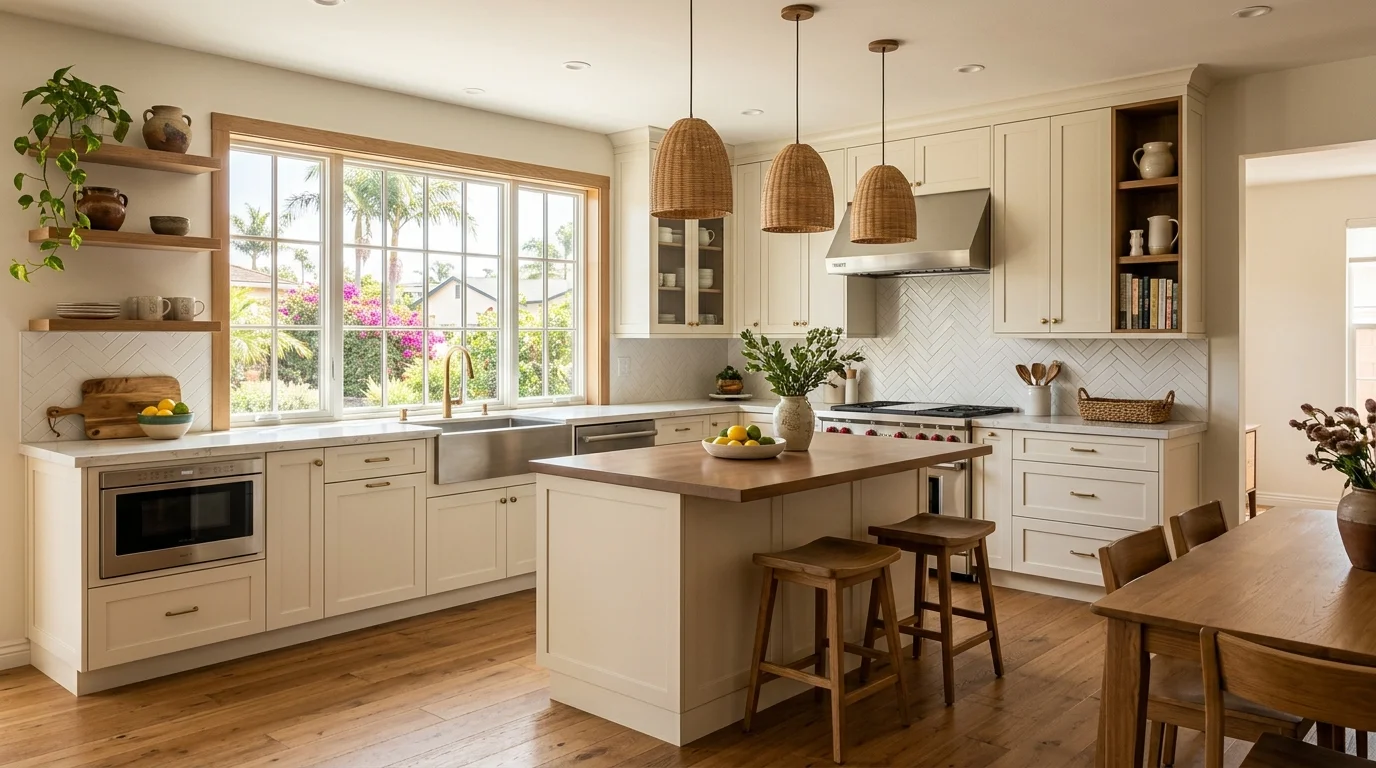
What return on a kitchen remodel means
Return on investment sounds like a single financial calculation. Kitchen remodeling makes that calculation less tidy. You know what the project costs, but you can’t isolate its effect on a future sale with certainty.
A sale price reflects the entire property. Location, condition, layout, and competing listings all matter. The kitchen is one part of that picture. Its contribution can also change before you sell.
That leaves two useful ways to think about return.
The first is resale return. This compares your project cost with the value a remodeled kitchen may add when the home sells. A local real estate professional or appraiser can help you examine nearby comparable homes. Ask for properties with similar size, condition, and kitchen scope. A downtown San Diego condo shouldn’t be compared with a detached Poway home.
The second is use return. This includes easier storage, better movement, improved lighting, and a room that suits your routine. You receive that value while living in the home. It won’t appear as a separate line on a closing statement.
We couldn’t confirm an official San Diego County kitchen remodel ROI percentage. Published averages from private reports can change by year, methodology, and project definition. Treat any percentage as a dated reference, not a promise about your address.
Start with your expected ownership period and remodeling goal. Then build a scope that makes sense without depending on a specific resale gain. Our San Diego kitchen remodel cost guide explains how to organize that scope without presenting one price as universal.
Minor versus major remodel returns
“Minor” and “major” don’t guarantee different return percentages. They describe how much of the kitchen you plan to change. Defining those terms for your own project helps prevent scope drift.
For planning purposes, a minor remodel keeps much of the existing kitchen intact. You might update visible finishes, cabinet fronts, hardware, counters, lighting, or paint. The layout and major structural elements stay largely unchanged.
A major remodel reaches deeper. It may replace cabinetry, change the layout, or coordinate several parts of the room. Some projects also involve plumbing, electrical, ventilation, or wall changes. Building permits may be required depending on the scope.
The right category depends on what already works. A dated appearance doesn’t always require removing every cabinet. If the current layout functions well and the cabinet boxes can remain, kitchen cabinet refacing may deserve consideration. It lets you focus spending on the parts people see and touch.
A larger project can make sense when the existing room fails at a basic level. Poor storage, damaged materials, or an unsuitable layout may call for a full kitchen remodel. That doesn’t mean every added feature will return its cost at resale.
Compare both options before choosing. Write down what each scope fixes, what remains unchanged, and what depends on personal taste. Request itemized proposals from licensed professionals. That comparison gives you a clearer decision than a national ROI percentage.
Keep the budget connected to the home and your plans. A project can be worthwhile without being the largest remodel possible.
San Diego market factors
San Diego County isn’t one housing market. Your ROI analysis should begin near the project address, not with a national average.
Look at homes that a future buyer might compare with yours. Stay close to the same city or neighborhood when possible. Compare similar property types, bedroom counts, general condition, and kitchen sizes. A Chula Vista townhome, an Oceanside condo, and an El Cajon detached home belong in different comparison sets.
Next, study the gap between your kitchen and nearby alternatives. Focus on visible and functional differences. These may include cabinet condition, counter space, storage, lighting, appliance placement, and how the kitchen connects with adjoining rooms. Don’t assume every difference needs correction.
Ask a local real estate professional to separate expected buyer concerns from personal preferences. Request recent comparable properties and ask how their kitchen condition affected buyer reactions. This won’t produce a guaranteed return. It can show whether your proposed scope fits the homes competing for similar buyers.
Project location also affects planning. For a property within the City of San Diego, Development Services can help determine whether the proposed work may require permits. Other San Diego County cities have their own departments. Confirm the correct authority for the project address before work begins.
Permit needs can influence scope and coordination, but we couldn’t confirm a kitchen-specific dollar threshold. Don’t accept a made-up threshold as fact. Describe the planned work to the authority that governs the address and ask what applies.
Finally, compare contractor proposals on the same written scope. A low total and a high total may include different materials or responsibilities. Matching the scope first makes the comparison more useful.
Choices that hold value
No finish can guarantee resale value. You can still make choices that reduce avoidable risk and support broad usefulness.
Begin with function. Keep clear access to storage, work areas, doors, and appliances. Test the plan against ordinary routines. Picture unloading groceries, preparing food, opening the dishwasher, and moving around another person. A drawing can look clean while missing these daily conflicts.
Next, separate permanent choices from replaceable ones. Cabinet layout, plumbing locations, electrical work, and fixed surfaces are harder to change later. Paint, hardware, and some decorative elements are easier to revisit. Give permanent decisions more review time.
Condition matters too. Replacing a sound component solely because it looks dated may not solve a meaningful problem. Keeping a failing component to protect the budget may create another project later. Ask each professional to identify what can remain, what needs work, and why.
Use samples in the actual room before approving finishes. Check them during different parts of the day. Compare cabinets, counters, flooring, and backsplash materials together. The goal isn’t to predict every buyer’s taste. It’s to avoid combinations that feel disconnected from the rest of the home.
Documentation can also protect your decision. Keep the signed contract, approved plans, product information, and permit records that apply to the project. Ask the professional who completes the work what warranty documentation they provide. Modern Kitchen SD doesn’t perform remodeling work or issue warranties.
Before hiring, verify the contractor through the CSLB License Check. The tool confirms legal license status, but it doesn’t guarantee work quality. Read the contractor’s proposal carefully and confirm who will handle each part of the scope.
Choices that only pay you in daily use
Some kitchen choices are valuable because they suit you. They may not matter equally to a future buyer, and that’s fine when you choose them intentionally.
Start with the habits your current kitchen makes difficult. You may need space for baking equipment, accessible storage, two cooks, school lunches, or frequent entertaining. Those needs can justify a feature even when you can’t attach a resale percentage to it.
Create two columns for each upgrade. The first records likely buyer-visible benefits. The second records benefits you’ll receive while living there. A cabinet organizer may improve daily access. A specialized appliance may support a favorite cooking method. A bold tile may make the room feel personal. These aren’t interchangeable forms of value.
Consider how long you expect to use the kitchen. A highly personal choice has more time to repay you through daily enjoyment when you’re staying longer. If a sale may happen sooner, you may place more weight on broad function and restrained permanent finishes. Neither approach guarantees a financial result.
Avoid hiding personal preferences inside an ROI argument. If you want a feature because it makes you happy, say so. That honesty helps you protect the features that matter while trimming ones that don’t.
You can also plan for change. Put strong personal expression into elements that are easier to replace. Use permanent work to solve layout, storage, and condition problems. This approach leaves room for personality without making every decision expensive to reverse.
The best project brief states both goals clearly. Name what the kitchen must do for you now. Then name what you hope a future buyer will recognize. A licensed local remodeler can help translate those priorities into a defined scope.
When to call us
If your plan combines cabinetry, counters, plumbing, electrical, or layout changes, discuss the scope with a licensed kitchen remodeling pro. Building permits may be required depending on the work, so confirm requirements with the authority serving the project address. Call us at (858) 400-4623 and we’ll connect you with a licensed local kitchen remodeler.