How to prevent kitchen mold after demo
Moisture can collect around the range hood, under the sink, and at counter-to-backsplash joints if those details are skipped during a remodel. Confirm ventilation, plumbing, liners, and sealants with the contractor and the product instructions before the cabinets close.
What you'll learn
- Which kitchen areas to inspect for moisture before cabinets close
- What ventilation questions to ask before the range hood is set
- How to follow specified sealants at counter and backsplash joints
Step by step
- Discuss range-hood ventilation before cabinets close
Discuss cooking moisture, grease, makeup air, duct routing, noise, and discharge location before cabinets and ceilings are closed. Size and install the hood from the appliance manufacturer’s instructions and the requirements that apply to the project.
- Have the sink drain and supplies inspected
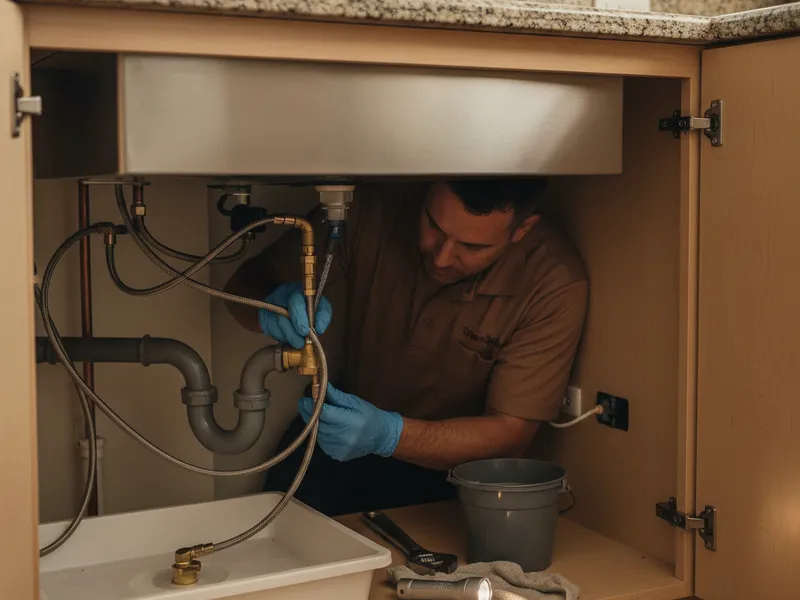
Ask a qualified plumber to inspect the drain, trap, supply connections, shutoff valves, disposal connection, and dishwasher connection before the cabinet is closed. Any repair or replacement should follow the requirements that apply to the project.
- Line the under-sink cabinet
Use a removable water-resistant tray or liner that fits the cabinet and does not hide the plumbing connections. Inspect the cabinet and connections regularly and address any moisture or staining promptly.
- Use the specified sealant at changes of plane
Ask the tile and countertop installers which sealant the assembly manufacturers specify where the backsplash meets the counter and at other changes of plane. Inspect those joints and repair gaps with a compatible product.
Follow the product manufacturer’s cure time, temperature, humidity, and ventilation instructions before exposing grout, caulk, adhesive, or sealant to water or normal use.
Want a contractor to review the kitchen?
Modern Kitchen SD is a referral service. Leave a message with your city and project scope, and we will try to connect you with an independent kitchen remodeler that serves your area.
Keep learning.

How to plan a kitchen layout
A measured sketch and a list of what has to stay in place let you have a useful first conversation with a designer or contractor. Confirm aisle and appliance clearances with the people who will build the kitchen, not with a generic rule of thumb.

How to choose a countertop material
Countertop material affects care, heat and moisture exposure, seams, and the installed quote. Compare samples in your own kitchen light and use manufacturer instructions plus itemized quotes, not a single best-surface ranking.

How to pick a cabinet style and finish
Cabinet style and finish set the tone for the entire kitchen. Getting the door profile, box construction, and hardware right before you order prevents an expensive change after fabrication.